
Mounting height affects more than sight picture: it shapes cheek weld, eye position, stock fit, fatigue, and the safety of a controlled observation setup.
Mounting height is easy to treat as a clearance problem. If the optic sits above the receiver, the thinking often stops once it appears secure and the image is visible. At night, that approach can create a less obvious problem: the observer may have to lift the head, stretch the neck, or press the face into an awkward position to see comfortably through the scope.
That discomfort is not merely a matter of preference. A strained posture can make it harder to maintain awareness, notice movement around the observation area, or respond calmly when the view is interrupted. A well-fitted setup should support a repeatable, relaxed head position without encouraging hurried handling or improvised adjustments.
Scope height is only one part of the fit, and it cannot be judged in isolation from the stock, the eye relief, the mounting system, and the shape of the observer. The goal is not a universally “correct” height. It is a stable arrangement that follows the equipment manufacturer’s requirements and allows safe, unforced observation.
Cheek Weld Is a Comfort Reference
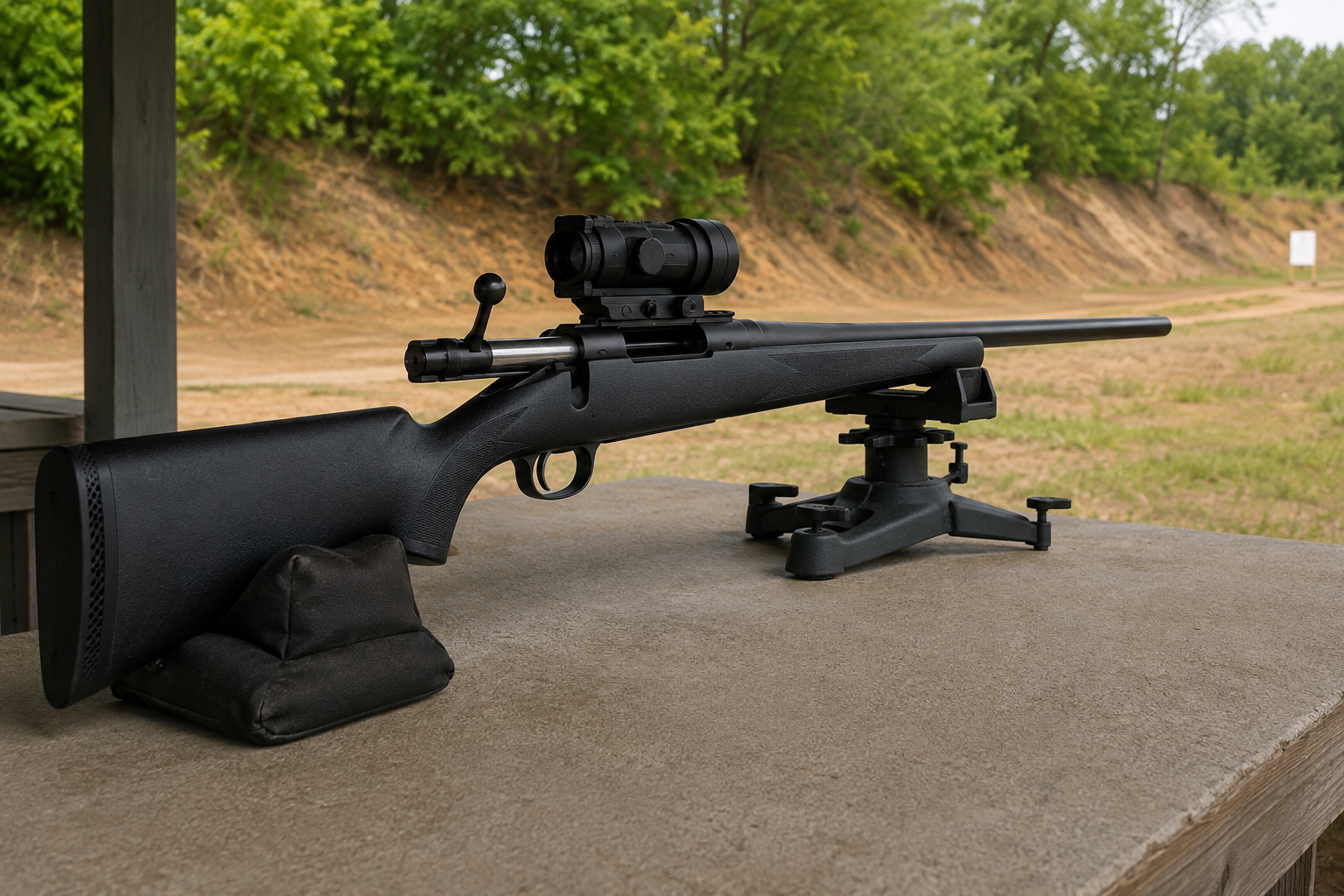
A cheek weld is the point at which the face meets the stock or cheek support. In practical terms, it gives the head a repeatable reference. When the scope is mounted at a suitable height, the cheek can rest naturally while the eye reaches the viewing position without the neck doing all the work.
If the optic is too high for the stock, the cheek may barely touch the support. The head then floats above the stock, and the observer may raise the chin or lean forward to find the image. If it is too low, the face may be forced downward or the eye may sit too close to the ocular housing. Neither position is comfortable for extended observation, and both can make the viewing position inconsistent.
There is no need to force the face into a textbook posture. A comfortable cheek weld may be light rather than firm, especially with equipment that is being used for stationary observation. What matters is that the position is repeatable, does not require pressure, and leaves the observer able to look away from the scope promptly and safely.
Eye Position and the Usable Image
Night vision equipment is sensitive to eye position. The visible image may narrow, darken, or become uneven when the eye moves away from the intended viewing point. The observer can respond by shifting the head from side to side or by pulling the face closer, but repeated corrections are tiring and can turn a simple viewing task into a constant search for the image.
Eye relief and the manufacturer’s specified viewing distance should guide the basic fit. These requirements vary by device, and a comfortable position for one scope may be unsuitable for another. The scope should not be positioned on the assumption that the observer can simply adapt. If the image is difficult to acquire with a relaxed head position, the mounting arrangement, stock support, or overall fit deserves attention.
Keep the area around the eyepiece clear of avoidable obstructions. Clothing, eye protection, and headwear can change the distance between the eye and the optic. That does not mean safety equipment should be removed to improve the view. Instead, the setup should be checked while wearing the protective equipment that will actually be used.
Stock Fit Changes the Answer
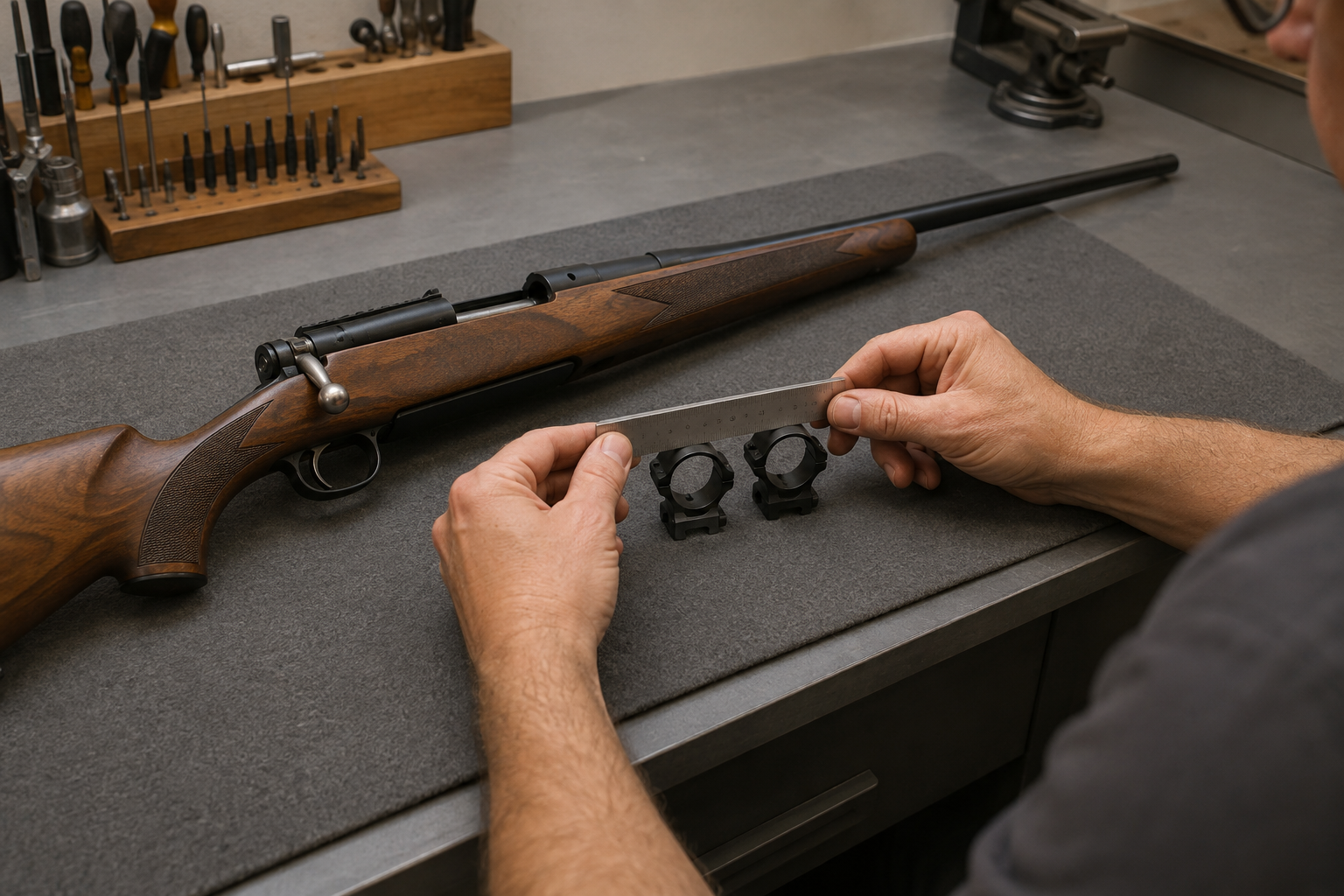
The same mounting height can feel entirely different on different stocks. A stock with a higher comb may support the cheek close to the scope’s optical axis, while a lower comb may leave a noticeable gap. Adjustable cheek supports can help in some applications, but they are not a substitute for following the scope and stock manufacturers’ instructions or for having the fit assessed by a qualified professional.
Length of pull also matters. If the stock places the eye too far from the ocular lens, the observer may lean forward and lose cheek contact. If it places the eye too close, the observer may pull the head back or compress the neck. These compensations can be subtle at first. During a longer viewing session, they often become the source of shoulder tension, headaches, or a tendency to abandon the intended position.
Body shape, clothing, and the observer’s seated or standing posture change the relationship as well. A setup that feels acceptable in one position may become awkward in another. Testing should therefore be limited to a safe, unloaded, controlled environment appropriate to the equipment, with the device handled according to its instructions.
Alignment Should Not Be Forced
Mount alignment is often discussed as a mechanical issue, but it also affects comfort. A scope that is not seated or aligned as intended may encourage the observer to cant the head, twist the shoulders, or hold the equipment at an angle to obtain a usable view. Those compensations can mask an installation problem.
Alignment should be checked using the mounting system’s instructions, not by relying on visual guesses or pressure from the observer’s face. Interfaces must be compatible, seating surfaces should be clean and undamaged, and any adjustment should be carried out by someone who understands the equipment. The scope should never be forced into position to obtain clearance or a preferred head angle.
Because night vision devices may be expensive, delicate, or sensitive to incorrect handling, qualified help is worthwhile when the fit is uncertain. A competent gunsmith, armorer, or other appropriately qualified technician can identify whether the difficulty comes from mounting height, stock geometry, eye relief, or a damaged component. This is preferable to experimenting with modifications that may affect safe function.
Fatigue Is a Setup Warning
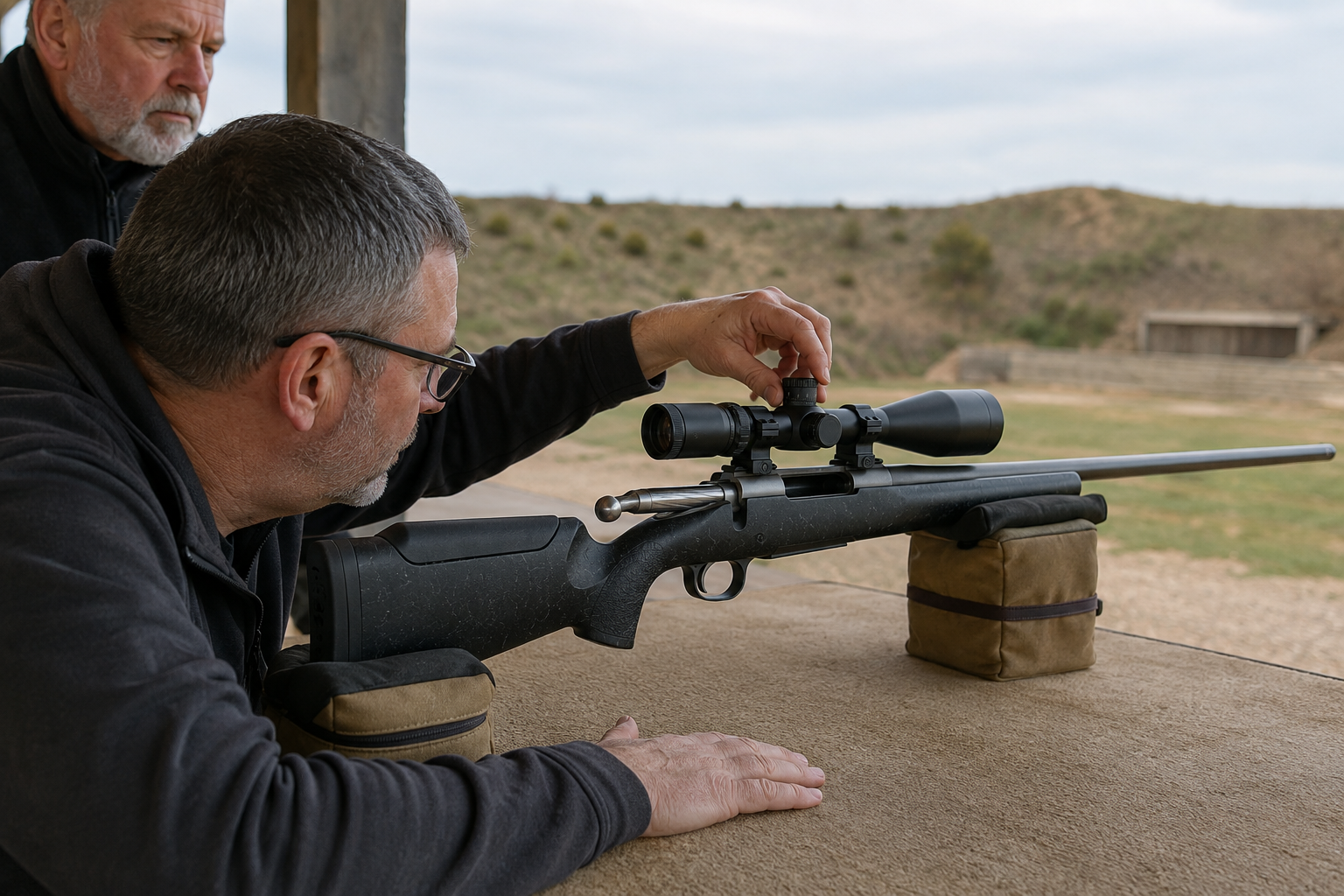
Fatigue provides useful information. Neck tightness, shoulder elevation, brow pressure, repeated blinking, and the urge to shift position every few minutes all suggest that the arrangement is asking too much of the body. Discomfort can also make the observer rush checks, overlook changes in the surrounding area, or continue after concentration has declined.
Short observation periods with deliberate breaks are safer than trying to endure a poor fit. During a break, look away from the eyepiece, relax the shoulders, and reassess whether the head is being lifted or pushed forward. If the same strain returns quickly, stop using the arrangement until its fit can be reviewed.
Comfort does not mean eliminating every sensation. A device may still feel unfamiliar, and protective equipment may impose some limits. The important distinction is between normal awareness of equipment and a posture that requires sustained muscular effort. The latter is a design or fitting concern, not a test of endurance.
A Safety-Led Setup Check
Before relying on a night vision scope for observation, read the scope, mount, and host equipment instructions. Confirm that the components are intended to work together, and use the manufacturer’s stated limits and procedures. Do not infer a safe adjustment from a different model or from an online example.
In a safe, controlled setting, the observer should be able to place the head naturally, acquire the image without searching, and look away without catching clothing or protective gear. The stock should offer useful support, the neck should remain relaxed, and the scope should not require the face to press hard against the eyepiece. The field of view should remain usable without repeated tilting or twisting.
Any uncertainty about mounting, alignment, fit, or the condition of the equipment is a reason to pause and seek qualified assistance. Night observation already reduces visual information; an uncomfortable or improvised setup adds another avoidable variable. Good mounting height is therefore less about chasing a particular measurement than creating a calm, repeatable relationship between the observer, the optic, and the equipment.